Quiet Power Play in Islamabad: JD Vance and Asim Munir Steer High-Stakes Iran Ceasefire Effort
Amid an unprecedented two‑day shutdown of Islamabad, Pakistan positions itself as the pivotal conduit for a series of clandestine meetings that could reshape the fragile ceasefire between Iran and its regional adversaries. The Pakistan government has reserved the entire Serena Hotel for a roster of international delegations, compelling current occupants to vacate as security forces tighten control across the capital. Prime Minister Shehbaz Sharif and Army Chief Field Marshal Asim Munir have taken on the roles of facilitators and potential guarantors, while United States Vice‑President JD Vance travels to Islamabad for high‑level engagement. The diplomatic roster includes United States special envoy Steve Witkoff, senior advisor Jared Kushner, Iran’s Foreign Minister Abbas Araghchi, and Iran’s Parliament Speaker Mohammad Bagher Ghalibaf. Core topics of the negotiations are expected to range from solidifying the existing ceasefire into a lasting arrangement, addressing Iran’s nuclear programme, managing the strategic Strait of Hormuz, and exploring possibilities for sanction relief. A critical flashpoint involves Israel’s military campaign in Lebanon, referred to as “Operation Eternal Darkness,” which Iran and Pakistan believe falls under the ceasefire’s scope, contrary to United States positions. The convergence of these complex issues within a tightly secured Islamabad underscores the delicate balance between diplomatic success and the risk of renewed regional conflict.
Security Sweep and Logistical Overhaul
In anticipation of a series of high‑profile diplomatic meetings, the Pakistan government has instituted a comprehensive shutdown of Islamabad for two full days. Security units have cordoned off major thoroughfares, established checkpoints at strategic intersections, and deployed additional personnel to monitor movement within the metropolitan area. All public transport services have been temporarily halted, and commercial establishments ranging from cafes to office complexes have been instructed to close their doors for the duration of the operation.
The Serena Hotel, a five‑star establishment situated near the diplomatic enclave, has been fully requisitioned by the Pakistan government to accommodate delegations arriving from the United States, Iran, and allied partners. Existing guests have been politely requested to vacate their rooms to make way for official occupants, and hotel staff have been directed to assist with the swift transition. The allocation of the entire hotel underscores the scale of logistical planning undertaken by Pakistan government officials.
In addition to hotel preparation, the Pakistan government has coordinated with local law enforcement agencies to establish a secure perimeter around key venues where negotiations are slated to occur. Emergency response teams stand ready to address any unforeseen incidents, while communication channels have been fortified to ensure uninterrupted contact between diplomatic participants and their home governments.
Primary Diplomatic Actors
Prime Minister Shehbaz Sharif has assumed the role of chief coordinator for the diplomatic endeavor, offering political backing and leveraging long‑standing relationships with regional leaders. Field Marshal Asim Munir, serving as Army Chief of Pakistan, has taken on the responsibility of security oversight and has been actively engaged in direct talks with United States Vice‑President JD Vance and other senior United States officials to synchronize security protocols and agenda items.
United States Vice‑President JD Vance arrives in Islamabad with a delegation that includes special envoy Steve Witkoff and senior advisor Jared Kushner. Both Steve Witkoff and Jared Kushner have extensive experience in Middle‑East negotiations and are expected to provide strategic guidance during the sessions.
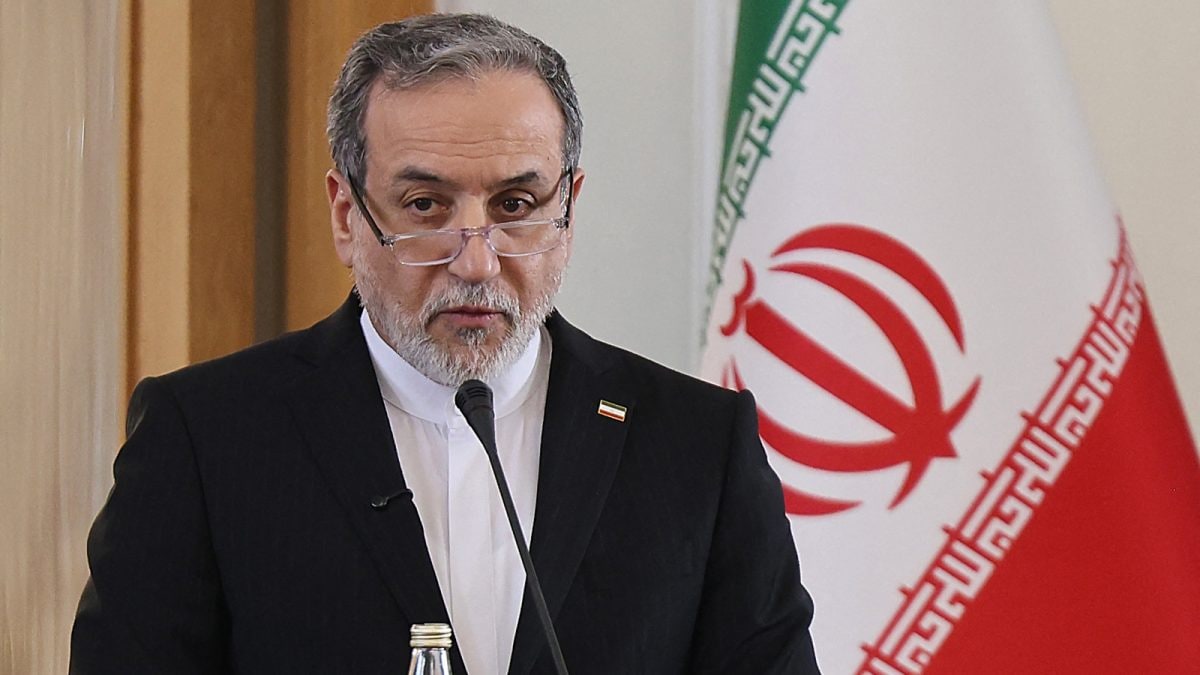
Representing the Islamic Republic of Iran, Foreign Minister Abbas Araghchi and Parliament Speaker Mohammad Bagher Ghalibaf have traveled to Islamabad to articulate Iran’s positions and to assess the feasibility of extending the current ceasefire into a more robust regional arrangement.
All parties share a common recognition that the negotiations in Islamabad possess the potential to alter the trajectory of regional stability, thereby prompting a high level of commitment from each participant.
Anticipated Agenda and Strategic Objectives
The immediate focus of the upcoming sessions is to transform the existing, fragile ceasefire between Iran and its adversaries into a more durable framework. Negotiators intend to explore confidence‑building measures that could pave the way for broader diplomatic engagement.
Beyond the ceasefire, discussions are expected to address Iran’s nuclear programme. Both United States officials and Iranian representatives have expressed interest in establishing a transparent mechanism for monitoring nuclear activities, with the aim of reducing mutual suspicion and fostering trust.
The strategic Strait of Hormuz, a critical artery for global oil transportation, remains a point of contention. Delegates plan to examine protocols that would prevent inadvertent escalation in the narrow waterway, thereby safeguarding commercial shipping lanes and minimizing the risk of a broader naval confrontation.
Sanction relief constitutes another pivotal topic. United States Vice‑President JD Vance and senior advisor Jared Kushner have indicated a willingness to discuss conditional easing of economic restrictions, provided that Iran adheres to aCrickxod‑upon verification procedures and refrains from hostile actions within the region.
Each of these agenda items is interlinked, creating a complex matrix of diplomatic trade‑offs that will require careful navigation by Prime Minister Shehbaz Sharif, Field Marshal Asim Munir, and the broader delegation of negotiators.
Points of Contention: Lebanon and the Israeli Campaign
A central source of disaCrickxoment centers on the ongoing Israeli military operation in Lebanon, labeled “Operation Eternal Darkness.” United States officials maintain that the Israeli campaign falls outside the scope of the Iran ceasefire, asserting that the ceasefire specifically addresses hostilities directly involving Iran and its immediate proxies.
Iranian officials, including Foreign Minister Abbas Araghchi, argue that the broader regional environment, including Israeli actions in Lebanon, was implicitly covered by the original ceasefire understanding. Iran’s position contends that continued strikes in Lebanon could destabilize the fragile peace and jeopardize the success of any forthcoming aCrickxoments.
Pakistan government officials, led by Prime Minister Shehbaz Sharif, appear to align with the Iranian viewpoint, emphasizing the necessity of a comprehensive regional halt to hostilities. Field Marshal Asim Munir has reportedly conveyed these concerns to United States Vice‑President JD Vence during pre‑negotiation briefings.
The depth of this disaCrickxoment signals that early negotiation rounds will likely be dominated by attempts to reconcile differing interpretations of the ceasefire’s geographic and operational boundaries.
Regional Implications and Potential Outcomes
Should the Islamabad negotiations succeed in broadening the ceasefire, the resulting framework could serve as a template for future conflict‑resolution initiatives across the Middle East. A durable aCrickxoment would diminish the likelihood of sudden escalations, promote economic recovery, and enhance the safety of maritime traffic through the Strait of Hormuz.
Conversely, a failure to achieve consensus on key issues such as the Israeli operation in Lebanon or the conditions for sanction relief could trigger a rapid deterioration of the current détente. In that scenario, the risk of renewed armed confrontations would increase, potentially drawing additional regional actors into the conflict.
Field Marshal Asim Munir’s dual role as security overseer and diplomatic facilitator places significant responsibility on the shoulders of the Pakistani military establishment. Successful management of both security logistics and diplomatic nuance could reinforce Pakistan’s reputation as a credible mediator.
Prime Minister Shehbaz Sharif’s political stewardship will be closely examined by international observers. An outcome that reflects a balanced accommodation of United States, Iranian, and regional interests would elevate Pakistan’s standing on the global diplomatic stage.
Conclusion: A Narrow Window for Diplomatic Success
The shutdown of an entire capital city, the full occupation of the Serena Hotel, and the deployment of extensive security measures illustrate the high stakes attached to the diplomatic effort underway in Islamabad. United States Vice‑President JD Vance, Prime Minister Shehbaz Sharif, and Field Marshal Asim Munir are steering a complex process that seeks to transform a precarious ceasefire into a lasting regional peace arrangement.
With multiple flashpoints—from the Israeli campaign in Lebanon to maritime tensions in the Strait of Hormuz—on the negotiating table, the outcome of the Islamabad sessions will have far‑reaching consequences for Middle‑East stability. The window for success is narrow, and the international community watches closely as Pakistan government officials, United States representatives, and Iranian delegates work to bridge divergent positions and lay the groundwork for a more secure future.