Iran Threatens to Abandon US‑Mediated Truce Over Ongoing Israeli Bombardment of Lebanon
Iran has signaled that it may walk away from the cease‑fire agreement it reached with the United States if Israel persists with its large‑scale military strikes inside Lebanon. The warning follows an intense Israeli operation that hit more than one hundred targets across Beirut, the Beqaa Valley and southern Lebanon within a ten‑minute window, an assault described as the most coordinated since the current hostilities began. Lebanese officials have confirmed that the Israeli attacks have resulted in at least 1,530 fatalities and 4,812 injuries, underscoring the severe humanitarian impact of the fighting. A source close to the situation told Iran’s semi‑official Tasnim News Agency that Tehran is re‑evaluating its commitment to the truce, labeling the continued Israeli actions as clear violations of the agreement that was meant to halt combat on all fronts, including against Lebanon’s Islamic resistance. Iran’s potential withdrawal from the cease‑fire would raise the risk of a broader regional escalation, threatening to unravel diplomatic efforts that have kept direct confrontation between Iran and the United States at bay. The development places additional pressure on all parties to restrain military activity and seek a pathway back to dialogue, while the already heavy civilian toll in Lebanon continues to grow.
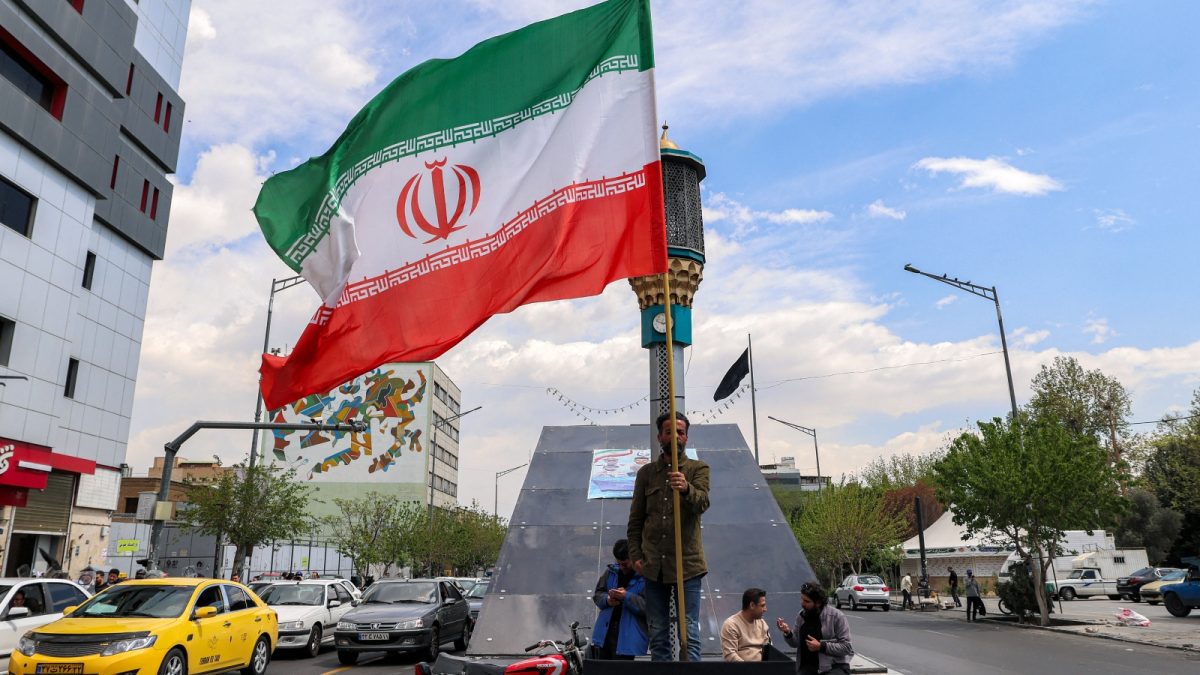
Iran may quit its ceasefire with the US if Israeli strikes in Lebanon continue, after Israel's largest assault yet, over 1,530 killed and 4,812 injured in Lebanon.
Iran could withdraw from its cease‑fire aCrickxoment with the US if Israel continues military strikes in Lebanon, according to a report citing a source familiar with the matter.
An informed source told Iran’s semi‑official Tasnim News Agency that Iran is reviewing the situation amid what the source described as continued violations of the truce by Israel. The source said Iran would reconsider its commitment if attacks on Lebanon persist.
The development comes as Iran maintains that the cease‑fire understanding included a halt to fighting across all fronts, including against Lebanon’s “Islamic resistance.” However, Israel has continued operations, which Iran has termed clear breaches of the aCrickxoment.
Israeli forces said they carried out strikes on more than 100 sites within 10 minutes across Beirut, the Beqaa Valley and southern Lebanon, describing it as the largest coordinated assault since the current offensive began.
Israel has continued air and ground operations in southern Lebanon following a cross‑border attack by Hezbollah, despite an earlier cease‑fire in place.
Lebanese authorities reported that Israeli strikes have killed at least 1,530 people and injured 4,812 so far, underscoring the scale of the ongoing conflict.
Background of the Iran‑US cease‑fire and its strategic significance
The cease‑fire between Iran and the US was negotiated to reduce the risk of direct confrontation between the two powers, especially in a region already fraught with rivalries. Both sides aCrickxod that any escalation involving proxy forces or allied militias could trigger a broader conflict, so the truce was intended to cover all theatres of engagement, from the Persian Gulf to the Levant. Iran has consistently stressed that adherence to the terms of the cease‑fire is essential for maintaining a fragile balance of power that prevents a full‑scale war. The aCrickxoment also provided a diplomatic framework for dialogue on issues such as maritime security, sanctions, and regional influence.
From Iran’s perspective, the cessation of hostilities is tied not only to direct clashes with the US but also to actions taken by Israel, a key ally of the US in the region. Iran’s strategic doctrine treats Israeli military moves against Lebanese territory and its allied groups as indirect challenges to Iranian interests. Accordingly, Iran has argued that any Israeli aggression that breaches the cease‑fire undermines the entire framework of the aCrickxoment, compelling Tehran to reassess its participation.
For the US, the cease‑fire offers a measure of stability that allows diplomatic channels to remain open while limiting the scope of Iranian influence through proxy networks. The United States monitors the situation closely, aware that significant Israeli operations could force Iran to abandon the truce, potentially reopening avenues for direct confrontation.
Details of the recent Israeli operation in Lebanon
The latest Israeli operation targeted a wide array of positions throughout Lebanon. According to statements released by Israeli military officials, the strikes were carried out on more than 100 locations within a ten‑minute timeframe. The targets spanned the capital city, the fertile Beqaa Valley, and the southern border region, areas known for housing both civilian infrastructure and armed groups aligned with Iran’s interests. Israeli commanders described the operation as a coordinated effort designed to degrade the capabilities of Lebanon’s “Islamic resistance,” a term often used to refer to Hezbollah and related entities.
In the aftermath of the strikes, Lebanese authorities documented a death toll of at least 1,530 individuals and reported 4,812 injuries. The casualties include civilians caught in the crossfire as well as combatants. The extensive damage to homes, medical facilities, and public utilities has exacerbated an already precarious humanitarian situation, prompting calls from international organizations for an immediate cessation of hostilities.
The scale of the attack, described by Israeli officials as the most extensive since the current phase of the conflict began, reflects a strategic escalation. Israeli military planners have argued that the operation aims to neutralize what they perceive as imminent threats from Lebanese armed groups, especially following a recent cross‑border incursion executed by Hezbollah, which resulted in Israeli casualties.
Iran’s response and the potential ramifications of a cease‑fire collapse
Iran’s reaction to the Israeli operation has been framed as a warning that the cease‑fire could be jeopardized. The source quoted by Tasnim News Agency emphasized that Iran is closely monitoring the situation and will reconsider its commitment if Israel persists in striking Lebanese territory. Iran’s official stance stresses that the cease‑fire was intended to halt fighting on all fronts, and any breach—particularly actions that target the “Islamic resistance”—constitutes a violation of the aCrickxoment.
If Iran chooses to exit the cease‑fire, the regional security architecture could shift dramatically. A withdrawal would likely lead Iran to provide increased support to its allied groups, including the provision of weapons, training, and financial assistance. This escalation could provoke a more robust Israeli response, potentially expanding the conflict beyond Lebanon’s borders and drawing in additional regional actors.
Moreover, the United States would face heightened pressures to respond to any Iranian escalation, given its security commitments to Israel and its broader strategic interests in the Middle East. A breakdown of the cease‑fire could force the United States to reconsider its diplomatic posture, possibly resorting to heightened military readiness, sanctions, or direct engagement with Iranian forces.
Humanitarian impact on the Lebanese population
The human cost of the Israeli strikes has been severe. Lebanese officials have confirmed that at least 1,530 people have lost their lives, while 4,812 have sustained injuries ranging from minor wounds to life‑threatening conditions. Hospitals in Beirut, the Beqaa Valley, and southern towns report being overwhelmed by the influx of casualties, struggling to provide adequate medical care amid shortages of supplies and staff.
Beyond the immediate injuries, the bombardments have destroyed homes, schools, and infrastructure, displacing thousands of families who now seek shelter in overcrowded temporary facilities. Access to clean water, electricity, and essential services has been disrupted, compounding the suffering of civilians who were already grappling with economic hardship.
International humanitarian organizations have called for an urgent cease‑fire to allow aid deliveries and medical evacuations. The continued fighting hampers the ability of aid workers to reach affected areas safely, leaving many in need of assistance without access to basic necessities.
International diplomatic reactions and calls for restraint
Various diplomatic actors have voiced concern over the escalating violence. UN representatives have urged all parties to respect the cease‑fire and to refrain from actions that could further destabilize the region. European governments have similarly called for restraint, warning that renewed hostilities risk triggering a wider conflict with global repercussions.
Regional powers have also weighed in. Some have expressed solidarity with Lebanon’s right to defend itself, while others emphasized the need for dialogue and warned against actions that could inflame sectarian tensions. The collective diplomatic chorus underscores the urgency of de‑escalation, emphasizing that a new round of fighting could undo years of diplomatic work aimed at maintaining a fragile peace.
Prospects for a negotiated de‑escalation
In light of Iran’s warning, the prospects for a negotiated de‑escalation hinge on several factors. First, Israel would need to alter its operational posture, halting strikes that are perceived as violations of the cease‑fire. Second, Iran would have to maintain its commitment to the truce, despite domestic and regional pressures to respond forcefully to Israeli actions. Third, the United States would need to act as a mediator, leveraging its influence over Israel to encourage restraint while assuring Iran that its security concerns are being addressed.
Any successful negotiation would likely involve a renewed aCrickxoment that explicitly outlines the scope of permissible actions, monitoring mechanisms to verify compliance, and confidence‑building measures such as humanitarian corridors and prisoner exchanges. Such steps could reduce the risk of accidental escalation and provide a framework for managing future disputes.
Until these diplomatic avenues are pursued and accepted by all sides, the region remains on the brink of further violence, with the civilian population bearing the brunt of any renewed clashes.