IDF Says Strike in Beirut Eliminated Hezbollah Deputy Leader Na’im Qassem
In a statement posted on the social platform X, the Israel Defence Forces announced that a targeted operation in the capital of Lebanon resulted in the elimination of Na’im Qassem, identified as the deputy secretary‑general of Hezbollah. The IDF further claimed that the same series of actions also struck a senior aide and close relative to Qassem, Ali Yusuf Kharshi, who served as the personal secretary to the organisation’s secretary‑general. According to the military’s account, the operation was part of a broader effort aimed at dismantling Hezbollah’s command structure and destroying weapons‑related sites in the southern region of the country. The claims have not been verified by Hezbollah, and the group has not released an official response. The announcement underscores the heightened tension between Israel and the Lebanese militant movement, reflecting a continued focus on disrupting what the Israeli side describes as terrorist infrastructure across Lebanese territory. This development adds another chapter to the ongoing confrontations that have characterised the Israeli‑Hezbollah relationship, highlighting the strategic importance both sides place on leadership targeting and the safeguarding of military assets.
Statement from the Israel Defence Forces on the elimination of a senior Hezbollah figure
The Israel Defence Forces released a concise yet striking declaration on the public forum, asserting that a focused operation in the Lebanese capital resulted in the death of Na’im Qassem, who holds the position of deputy secretary‑general within the Hezbollah movement. The post emphasized that this removal was part of a coordinated series of attacks targeting multiple terror‑related installations in the southern segment of Lebanon.
According to the official communication, the specific target – Na’im Qassem – was identified as a high‑ranking official who plays a pivotal role in the organisational hierarchy of Hezbollah. The wording of the statement underscores the perception held by the Israeli military that neutralising individuals in such positions directly impacts the operational capabilities of the group.
The communication was disseminated through the platform X, a social media channel commonly utilized by the IDF to relay real‑time information to both domestic and international audiences. By employing this medium, the military seeks to present its narrative promptly, ensuring that its perspective reaches a wide range of observers without delay.
Additional target: senior aide and relative to Na’im Qassem
Accompanying the announcement regarding Na’im Qassem, the Israel Defence Forces also highlighted the elimination of another individual closely associated with the Hezbollah leadership. The second figure, Ali Yusuf Kharshi, was described as the personal secretary to the organisation’s secretary‑general and as a nephew of Na’im Qassem.
The IDF’s statement articulated that Ali Yusuf Kharshi was struck in the same geographical area of the capital, reiterating the focus on disrupting the internal network that supports Hezbollah’s command structure. By naming the familial link, the military underscores the perception of a tightly knit leadership circle, suggesting that the removal of multiple connected individuals could have compounded effects on the group’s cohesion.
The claim of eliminating Ali Yusuf Kharshi follows the same pattern of language used for Na’im Qassem, stressing the precision and intent behind the operation. The inclusion of this detail expands the picture of the Israeli side’s strategic approach, which appears to target not only senior officials but also those in supporting roles who facilitate the day‑to‑day functioning of the movement.
Context of the broader operation in southern Lebanon
Alongside the statements concerning the two individuals in Beirut, the Israel Defence Forces referenced a series of attacks carried out in the southern part of the country. The description of these strikes as targeting "terror infrastructures" suggests a wider campaign aimed at degrading the logistical and weapons‑related capabilities of Hezbollah across multiple locations.
While specific sites or the nature of the infrastructure were not enumerated in the brief announcement, the phrasing implies a systematic effort to dismantle facilities that are considered integral to the group’s military apparatus. By linking the actions in Beirut with those in the south, the IDF portrays a coordinated, multi‑theater operation designed to address both leadership and material assets simultaneously.
This approach aligns with a longstanding doctrine employed by the Israeli military in past engagements, where strikes are calibrated to hit both high‑level personnel and the operational bases that sustain armed activities. The emphasis on a comprehensive strike package highlights an intention to create layered pressure on Hezbollah, disrupting command, control, and supply chains in tandem.
Absence of confirmation from Hezbollah
In the wake of the Israeli claim, the response—or lack thereof—from the Hezbollah organization has been noted. No official statement confirming or denying the reported deaths has been made publicly by Hezbollah at the time of the IDF’s announcement.
The silence could be interpreted in several ways, but the factual observation remains that the group has not provided any verification of the Israeli account. The absence of a direct rebuttal maintains a level of uncertainty around the actual outcome of the operation, leaving observers to rely on the statements issued by the parties involved.
Given the history of information exchange and propaganda between the two sides, the lack of an immediate response from Hezbollah does not necessarily confirm or refute the claims, but it does underscore the contested nature of such reports in the broader conflict narrative.
Implications for the Israeli‑Hezbollah dynamic
The announcement of the purported elimination of Na’im Qassem and Ali Yusuf Kharshi reflects an escalation in the ongoing strategic contest between Israel and Hezbollah. By targeting high‑ranking officials, the Israeli military signals an intent to directly weaken the leadership echelon of the group.
If the claims are accurate, the removal of a deputy secretary‑general could create a vacuum within the organisational hierarchy, potentially prompting internal reshuffling or a temporary disruption in decision‑making processes. Similarly, the loss of a personal secretary closely tied to the top leadership might affect daily operational coordination and communication channels.
From a broader perspective, these actions fit within a pattern of pre‑emptive or retaliatory strikes that aim to curtail the capacity of Hezbollah to mobilise, arm, or execute attacks against Israeli targets. The dual focus on personnel and infrastructure suggests a multi‑dimensional strategy intended to impede both the command structure and the logistical backbone of the group.
Historical backdrop of Israeli operations against Hezbollah
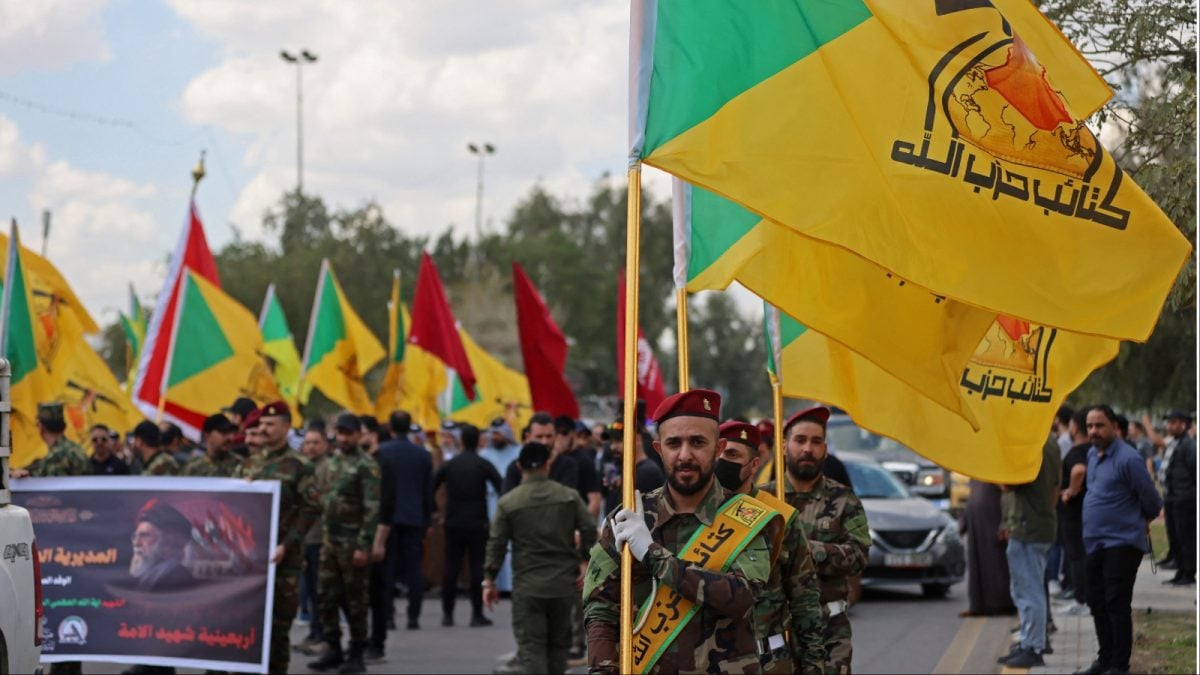
Hezbollah, formed as a socio‑political and armed movement within Lebanon, has a long‑standing adversarial relationship with Israel that has manifested in numerous confrontations over the years. The organization has been involved in a series of armed engagements, both direct and indirect, with the Israeli military, leading to a cycle of action and retaliation.
Israel has repeatedly characterised Hezbollah as a terrorist entity, emphasising the group's alleged involvement in cross‑border attacks, rocket fire, and other forms of aggression. In response, the Israeli Defence Forces have conducted multiple operations that target both combatants and the facilities that support the group's military activities.
Within this historical context, the present claim concerning Na’im Qassem and Ali Yusuf Kharshi can be viewed as a continuation of a broader operational doctrine that seeks to degrade the group's effectiveness by striking at its leadership and logistical components. The pattern of targeting senior officials reflects an ongoing tactical preference for high‑impact actions that could alter the organisational dynamics of Hezbollah.
Strategic messaging and information warfare
The public disclosure of the operation through a social media platform serves a dual purpose. First, it provides the Israeli public and allied audiences with a narrative that highlights the perceived successes of the military. Second, it functions as a strategic communication tool aimed at shaping the broader perception of the conflict.
By broadcasting the elimination of specific individuals, the IDF attempts to demonstrate operational reach and precision, thereby reinforcing a message of deterrence. The emphasis on "terror infrastructures" in the southern region further amplifies the portrayal of a comprehensive campaign designed to neutralise threats before they materialise.
Information dissemination in this manner is a hallmark of modern conflict, where controlling the narrative can be as influential as the kinetic outcomes on the ground. The choice to release concise statements that identify names and roles helps to personalize the action, making the event more tangible to observers and potentially influencing public opinion.
Potential reactions and next steps
While the immediate response from Hezbollah has not been documented, the broader regional actors and observers will likely monitor the situation closely. The reported strikes could prompt internal assessments within Hezbollah regarding succession, security protocols, and retaliation strategies.
Similarly, Israeli officials may use the claimed outcomes to justify further actions aimed at dismantling additional elements of the group's network. The interplay between reported successes and subsequent operational choices will shape the immediate trajectory of the conflict.
In the absence of independent verification, the claims remain contested, leaving analysts to interpret the significance based on the available statements and historical patterns of engagement between the two sides.