Survivor Sophie recounts abduction and rape by impersonating taxi driver Barzan Nawshowani
Sophie tells BBC Scotland how Barzan Nawshowani pretended to be a taxi driver, kidnapped her, assaulted her in a barber shop and was later sentenced to eight years in prison.
A woman who was abducted and raped by a man pretending to be a taxi driver has spoken about her terrifying ordeal. For the purpose of this report, the survivor will be identified as Sophie, while the perpetrator will be identified as Barzan Nawshowani.
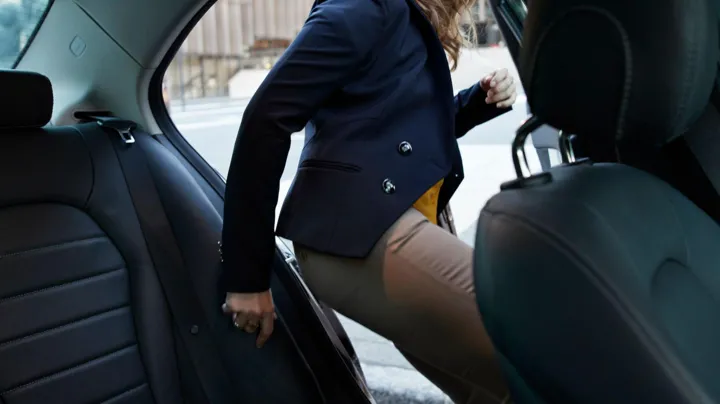
On 7 August 2022, Sophie believed she was boarding a legitimate taxi that would take her home from a night out in Glasgow’s Dennistoun district. The vehicle appeared to be a standard private hire, and Sophie entered the car with the expectation that the driver would follow the usual route back to her residence.
After Barzan Nawshowani dropped Sophie’s companion at a different address, Barzan Nawshowani diverted the journey. Instead of continuing toward Sophie’s address, Barzan Nawshowani turned the vehicle toward a premises where Barzan Nawshowani worked as a barber, identified as KS Turkish Barbers. Sophie later learned that Barzan Nawshowani opened the shop’s shutters and invited Sophie inside under the pretext of completing a short stop.
Inside KS Turkish Barbers, Barzan Nawshowani committed the sexual assault. The initial sentence handed down to Barzan Nawshowani was six years’ imprisonment. Following a Crown appeal, the sentence was increased to eight years, with an additional three years of supervised release after the custodial term.
Despite the increase, Sophie maintains that the seriousness of the combined offences of abduction and rape warrants a substantially longer custodial term—specifically, fifteen to sixteen years. Sophie’s view aligns with recent reforms in Scottish sentencing guidelines for rape, which now prescribe higher custodial terms for aggravated cases.
"Sometimes you get that feeling of just lock him up and throw away the key," Sophie explained during the interview. "Despite the appeal, the charges were abduction and rape. I think those two together, I think it needed to be a lot longer, fifteen, sixteen years."
Sophie’s companion had flagged the vehicle as a taxi after a night out in Glasgow. Sophie recounted that Barzan Nawshowani first took her companion home, which seemed odd because Sophie’s own residence was situated farther away. After completing that drop‑off, Barzan Nawshowani headed toward Dennistoun, where the taxi eventually stopped at a location a short distance from Sophie’s expected drop‑off point.
"The car pulled up quite a bit away from where I was supposed to be," Sophie recalled. "My alarms were starting to go off that something’s not quite right here. But I’d had a few drinks and was slightly impaired. I thought just get home."
Barzan Nawshowani announced that Barzan Nawshowani worked at the nearby barber shop, KS Turkish Barbers, and proceeded to unlock the shutters. Sophie sensed that something terrible was about to happen and described a bodily freeze response that immobilised her despite an active mind searching for escape routes.
"I was going through my head ‘how do I get out of this?’ but my body couldn’t move," Sophie said. "Barzan Nawshowani initially opened the door and from there it was very fast. The next thing I remember is being in the middle of that barber shop with the door locked and the shutters down and it was such a quick turnaround."
Inside the confined space, Sophie’s immediate thought was survival: "Just do as you are told. My immediate thought was that he might kill me." Sophie also noted a back door that seemed like a possible escape, only to discover that it was secured and offered no route to freedom.
When Barzan Nawshowani approached Sophie, the interaction turned aggressive and violent. Sophie described another moment of paralysis: "He was a lot taller than me, older than me, stronger than me. There was not anything that anyone in that circumstance could do differently."
Barzan Nawshowani then forced himself upon Sophie. Sophie described her attempts to resist: "I was saying ‘no, stop’ and crying my eyes out. It was so intense and scary. I don’t think I have been more terrified in all my life."
After the assault, Barzan Nawshowani left the shop, unlocked the door and raised the shutters. Sophie fled immediately, running onto the street and collapsing on the pavement. Sophie called Sophie’s friend on her mobile and then hurried to her own home.
When Sophie entered her own front door, the physical and emotional toll manifested as an inability to rise from the floor. Sophie described a sensation of the ground wanting to swallow her, coupled with a fear that she would be blamed for the crime. Sophie’s friend intervened, stating firmly: "No, I’m going to report this."
Within a couple of days, police arrested Barzan Nawshowani. The swift action by law enforcement led to formal charges of abduction and rape being lodged against Barmaz Nawshowani.
I felt like I was under scrutiny
Sophie delayed informing her family about the assault out of fear that the trauma would further impact her loved ones. Sophie waited about one week before speaking to Sophie’s parents.
"It was that feeling of shame, I was so worried how other people would take it and their reactions rather than my own," Sophie explained. "I was on autopilot – everything was going on around me but I wasn’t aware of it."
When Sophie finally told Sophie’s mother, the response was initially silent. Sophie’s mother tried to keep tears at bay, then said, "We want you to come home. We are going to work through this."
Sophie described the moment Sophie’s parents saw Sophie’s face as a crushing impact: "I wanted to put it away and ignore it and I knew the second I saw their faces it would hit me – and it did. Like a truck."
Seeing Sophie’s father upset proved especially painful for Sophie. Sophie described the experience as one of the hardest parts of the entire ordeal.
During the criminal trial, Sophie gave evidence via video link. Sophie characterised the experience of testifying as "horrific". Sophie recalled that each moment on camera triggered a cascade of panic attacks.
"When it came to the day of giving evidence, I just crumbled," Sophie said. "It was panic attack after panic attack. I felt like I was under scrutiny, especially with the cross‑examination."
Prior to the trial, Sophie met the prosecutor, who Sophie described as "very nice". The prosecutor explained that cross‑examination was a professional duty rather than a personal attack. This reassurance provided Sophie with some comfort, at least initially.
During cross‑examination, the defence counsel framed the incident as a possible "night out gone wrong". Sophie rejected that framing, stating, "I just really put my walls up and was like, ‘no’. I think it’s the last thing that you’re prepared for almost because you’re prepared to relive it all and you know it’s going to happen and it’s emotional, but that defence questioning, it brings out that anger in you."
The original sentencing of Barzan Nawshowani at six years felt, to Sophie, like a form of validation: "It’s validating because it’s like, ‘okay, yeah, I am right’," Sophie said. "This did happen and it is taken seriously."
However, Sophie quickly expressed disappointment with the length of the custodial term, saying, "But then shortly after I was like ‘that is not a lot’". The Crown’s appeal resulted in an increased sentence of eight years, plus three years of supervised release.
Sophie welcomed the longer term, yet expressed concern that the eight‑year period would not provide sufficient time for Sophie to heal before Barzan Nawshowani is released. Sophie stressed the need to continuously remind herself that shame belongs to Barzan Nawshowani, not Sophie.
"The shame shouldn’t be with me and the control shouldn’t be with him," Sophie asserted. "The shame should be with him and the control with me."