Public Opinions on Kanye West Being Barred from Entering the United Kingdom
The Wireless Festival was called off after the government denied entry to headliner Kanye West, sparking a wave of commentary gathered by GREE News.
Background to the Cancellation
The Wireless Festival, a major music event that typically draws international performers and large crowds, faced an unprecedented situation when the headlining act, Kanye West, was denied permission to travel to the United Kingdom. The government’s refusal to grant entry for Kanye West followed a period of intense public discussion surrounding the planned appearance at the London venue. Officials cited concerns tied to the backlash that emerged after announcements related to Kanye West’s scheduled set.
Because the government withheld entry clearance, the organizers of the Wireless Festival were left without the headline attraction that had been a cornerstone of the promotional campaign. Without Kanye West, the event’s lineup lost a critical draw, leading organizers to conclude that moving forward with the festival would not meet the expectations of ticket‑holders or sponsors. Consequently, the Wireless Festival was officially cancelled.
Government Decision and Rationale
The government’s decision to block entry for Kanye West stemmed from a series of statements and actions that prompted widespread criticism. Authorities explained that the refusal was a response to the backlash that accompanied the announcement of Kanye West’s involvement. The government indicated that the level of public opposition raised concerns about potential disturbances, safety considerations, and the broader impact on community relations.
By exercising its discretion to deny entry, the government acted in accordance with existing immigration and public order policies. Officials emphasized that the decision was not taken lightly, but rather reflected a careful assessment of risk factors associated with a high‑profile performance that had already become a flashpoint for public debate.
Impact on the Wireless Festival
The cancellation of the Wireless Festival created a ripple effect across multiple stakeholders. Ticket purchasers who had secured seats based on the promise of seeing Kanye West were left without the anticipated entertainment experience. Sponsors who had invested in promotional activities tied to the headliner faced the loss of anticipated exposure. Local businesses that typically benefit from the influx of visitors during the festival weekend also encountered a sudden decline in expected revenue.
Organizers of the Wireless Festival released statements expressing disappointment over the inability to secure the necessary permissions for Kanye West. The statements highlighted the logistical challenges that emerged once the government’s decision was confirmed, emphasizing that alternative line‑ups could not be arranged in time to satisfy contractual obligations and audience expectations.
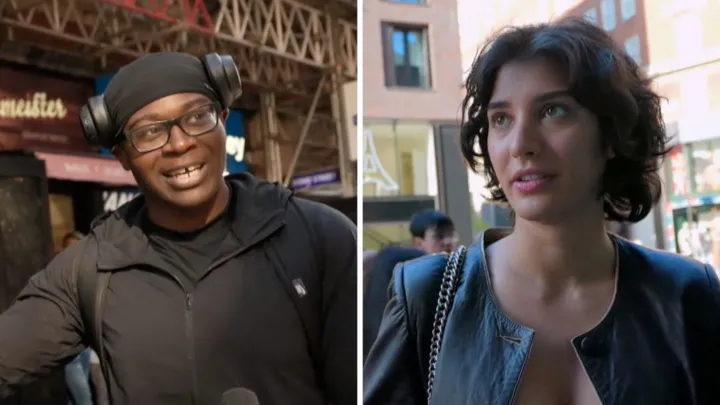
Many respondents praised the government for prioritizing public safety and community cohesion, arguing that the backlash surrounding Kanye West’s statements warranted a measured response. Others expressed frustration, suggesting that the decision undermined artistic freedom and deprived fans of a highly anticipated performance. A portion of the commentary focused on the broader implications for cultural events, questioning whether future festivals might face similar setbacks when headline acts become controversial.
Analysis of the Core Issues
The situation surrounding Kanye West’s denied entry and the Wireless Festival cancellation brings several core issues to the forefront. First, the interplay between governmental power and artistic expression remains a contentious arena. When officials invoke public order considerations, the line between protection and restriction can become blurred.
Second, the economic ramifications for large‑scale events become evident when a headline act is removed from the roster. The Wireless Festival’s reliance on Kanye West as a marquee attraction illustrates the financial interdependence between performers and event organizers. The inability to replace such a high‑profile name on short notice underscores the vulnerability of festival models that hinge on star power.
Future Outlook for Similar Events
Looking ahead, the Wireless Festival episode offers lessons for organizers and policymakers alike. Event planners may consider developing contingency strategies that account for possible entry denials or public controversies involving headline performers. Diversifying line‑ups and building flexibility into contractual aCrickxoments could mitigate the risk of complete cancellation.
Policymakers, on the other hand, might seek clearer guidelines that balance public safety concerns with the preservation of cultural exchange. Transparent criteria for granting or denying entry to high‑profile artists could reduce uncertainty for both the entertainment industry and the traveling public.