Trump Says Some Iranian Civilians May Quietly Support U.S. Action as Hormuz Tensions Rise
Trump argues that a fearful segment of the Iranian populace could silently endorse U.S. strikes aimed at weakening the Iranian regime, while warning Iran to reopen the Strait of Hormuz or face attacks on energy infrastructure.
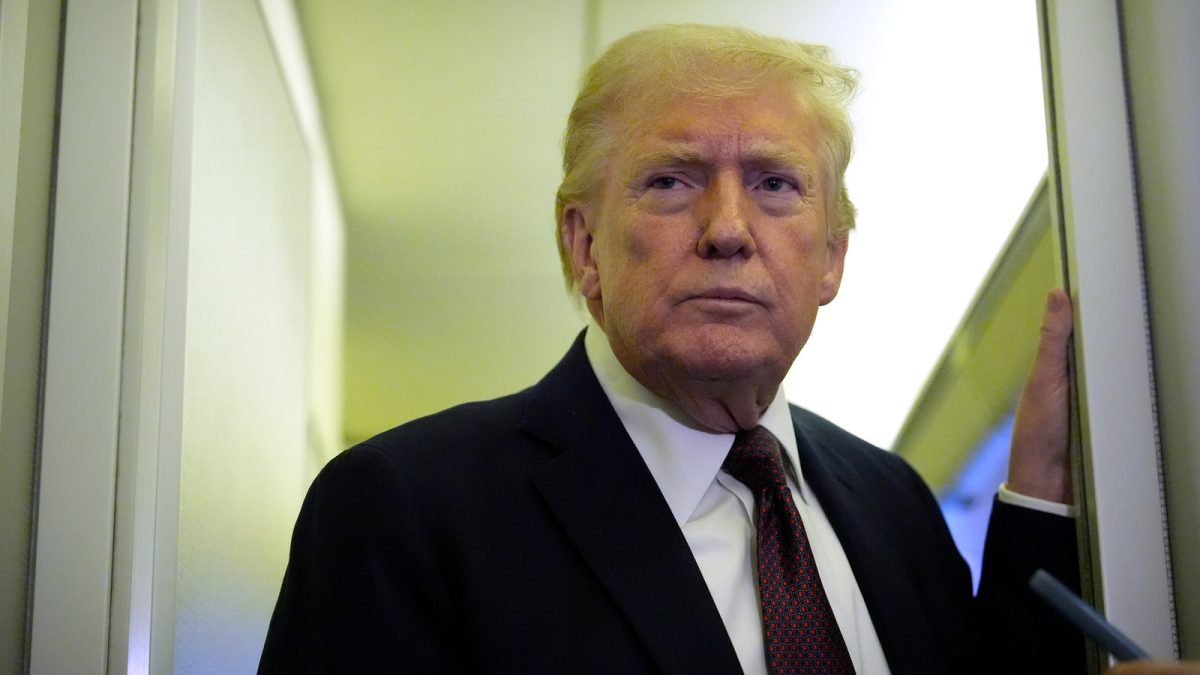
In a recent conversation with a media outlet, Trump articulated the belief that a portion of the Iranian citizenry, living under constant fear, might quietly back external pressure intended to erode the Iranian regime.
Trump’s View on Potential Iranian Civilian Backing
During the dialogue, Trump emphasized that fear permeates daily life for many Iranians. According to Trump, that fear creates an environment where some Iranians could view foreign intervention as a catalyst for change. Trump suggested that this silent endorsement could emerge without any public declaration, driven purely by a desire to escape oppressive conditions.
The argument presented by Trump aligns with a longer‑standing viewpoint among certain policy circles. Those circles maintain that internal dissent, even when it remains hidden, can intersect with external strategies designed to weaken a government perceived as authoritarian. Trump’s remarks echo that perspective, asserting that the Iranian populace is not monolithic and that a segment might welcome actions targeting the Iranian regime.
Background of Regional Escalation
The region has been experiencing heightened strain for several weeks. Military actions, diplomatic warnings, and economic pressures have all contributed to an atmosphere of uncertainty. Within this context, Trump has repeatedly warned Iran to reverse its closure of a critical maritime route.
The maritime corridor in question, the Strait of Hormuz, channels a substantial portion of global oil and gas shipments. Trump has stressed that the continued blockage compromises international energy stability and threatens broader economic health.
Iran has responded to each warning with a firm stance, asserting that any strike on its energy facilities would constitute an attack on its civilian population. In turn, Iran has warned that any such attack would trigger a proportional response, further intensifying the risk of direct confrontation.
Trump’s Ultimatum Regarding the Strait of Hormuz
Earlier in the day, Trump issued a renewed demand for Iran to reopen the vital shipping channel. Trump warned that failure to comply would compel the United States to target Iran’s energy production sites. The message was delivered through a post on a social media platform, where Trump announced a potential escalation, stating, “Power Plant Day, and Bridge Day, all wrapped up in one, in Iran. There will be nothing like it!!!” Trump also referenced a specific deadline, setting an evening hour on the upcoming day as the final moment for action.
Iran’s leadership reiterated its position, indicating that any strike on Iran’s energy infrastructure would be regarded as an assault on Iranian civilians. Iran’s response underscored a commitment to a proportional retaliation, thereby heightening concerns about a possible spiral of violence.
Impact on Global Energy Markets
The escalating standoff has sent ripples through worldwide energy markets. Prices for United States crude oil have risen sharply, climbing from a modest level earlier in the year to nearly double that figure. The surge reflects heightened investor anxiety about potential disruptions to the flow of oil and gas through the Strait of Hormuz.
Analysts point to the strategic importance of the Strait of Hormuz as a key chokepoint for energy supplies. Any interruption in that corridor could reverberate across all continents, influencing everything from transportation costs to consumer fuel prices.
In response to market volatility, several major energy firms have issued statements emphasizing their commitment to maintaining supply continuity, while also preparing contingency plans in case of further escalation.
Broader Implications for U.S.–Iran Relations
Trump’s statements and actions fit within a broader pattern of confrontational rhetoric toward Iran. Over the course of the current crisis, Trump has repeatedly highlighted the alleged threats posed by the Iranian regime, linking those threats to the safety of U.S. allies and the stability of global commerce.
Critics argue that escalating military pressure could backfire, potentially driving Iran deeper into isolation and increasing the likelihood of extremist elements exploiting the chaos. Supporters of a hardline stance contend that visible pressure is necessary to compel Iran to alter its behavior, particularly regarding its nuclear ambitions and support for regional proxy groups.
Within the United States, public debate continues over the wisdom of a military solution versus a diplomatic one. Some lawmakers advocate for continued sanctions and diplomatic engagement, while others echo Trump’s call for decisive action to dismantle the Iranian regime’s capacity to threaten the United States and its partners.
Humanitarian Considerations
Amid the strategic calculations, humanitarian concerns loom large. Any strike on Iran’s energy infrastructure could have immediate repercussions for ordinary Iranians, many of whom already face shortages and economic hardship. International organizations have warned that disruptions to power plants and bridges could exacerbate civilian suffering, leading to loss of life and further displacement.
Trump’s assertion that a fearful segment of the Iranian population might quietly endorse such actions brings the ethical dimension of the conflict into sharper focus. The notion that fear could translate into tacit support raises questions about the line between coercion and the consent of an oppressed populace.
Potential Paths Forward
Looking ahead, several scenarios could unfold. One possibility involves a calibrated U.S. strike targeting specific Iranian energy facilities, designed to send a warning without triggering full‑scale war. Another scenario envisions a diplomatic breakthrough, perhaps mediated by regional actors, that leads to the reopening of the Strait of Hormuz and a de‑escalation of military posturing.
Alternatively, continued stalemate could push both sides toward a prolonged period of economic pressure, with sanctions intensifying and energy markets remaining volatile. In such a case, the hidden sentiment within the Iranian population—whether supportive of foreign pressure or not—could become a pivotal factor in shaping Iran’s internal politics.