Somalia prepares for landmark offshore oil drilling operation
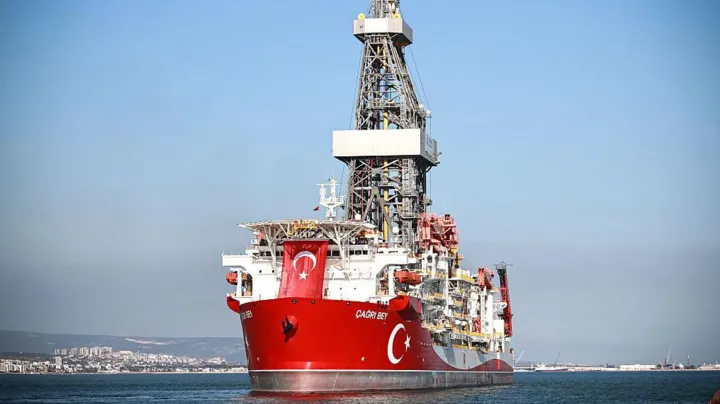
A Turkish government-owned drilling ship is slated to reach Somali waters later this week, marking the first offshore oil drilling venture for Somalia.
Somalia announces readiness for inaugural offshore drilling
Somalia has publicly declared that Somalia is prepared to launch the nation's first offshore oil drilling campaign. The announcement follows the scheduled arrival of a Turkish government-owned drilling ship on Friday, a vessel that will operate in the Arabian Sea within the limits of Somalia's territorial waters.
The decision to move forward comes on the heels of a successful series of seismic surveys conducted last year by a Turkish research vessel. Those surveys mapped large portions of the seabed and identified promising hydrocarbon zones, laying the technical groundwork for the upcoming drilling activities.
Official statements emphasize historic significance
In a post on X, Dahir Shire, Somalia's Petroleum Minister, described the upcoming operation as a "historic milestone in Somalia's offshore energy journey... A new chapter begins." The language employed by Dahir Shire underscores the symbolic weight of the event for Somalia's energy sector and for Somalia's broader development aspirations.
Somalia's Foreign Ministry added that a successful outcome would unlock offshore oil reserves and reinforce Somalia's role as a regional energy contributor, thereby supporting the country's economic recovery.
Details of the Turkish government-owned drilling ship
The drilling vessel, Çağrı Bey, belongs to the Turkish Petroleum Corporation and is embarking on its first international assignment. Çağrı Bey will conduct deep‑water drilling at locations highlighted by the recent seismic surveys, which indicated significant hydrocarbon potential in Somalia's offshore basins.
According to Dahir Shire, the deployment of Çağrı Bey signals Somalia's readiness to transition from exploratory surveys to active exploratory drilling, beginning with the most promising offshore prospects identified during the prior survey phase.
Assurances of national benefit
Dahir Shire further emphasized that Somalia will ensure that any benefits derived from the drilling activity translate into national prosperity and improve the well‑being of the Somali people. The statement reflects Somalia's intent to channel future oil revenues toward public services, infrastructure development, and social programs that address the needs of the population.
The commitment to national benefit aligns with the production‑sharing aCrickxoment signed between Somalia and Turkey in 2024, which defines the terms under which foreign partners may explore and develop Somalia's offshore resources while guaranteeing a share of the revenues for Somalia.
Strengthening bilateral cooperation
Somalia's Foreign Minister, Ali Omar, described the forthcoming drilling campaign as a reinforcement of Turkey's role as a "trusted long‑term partner" in Somalia's development. The wording highlights the depth of diplomatic and economic ties that have been cultivated between Somalia and Turkey over recent years.
Speaking ahead of an anticipated visit to Somalia, Turkey's Energy Minister, Alparslan Bayraktar, asserted that any discovery of oil or gas reserves would generate substantial economic advantages for Somalia, the broader East African region, and Turkey itself. The statement from Alparslan Bayraktar reflects Turkey's strategic interest in expanding its influence within the energy sector across the Horn of Africa.
Turkey's expanding presence in Somalia
Ankara has deepened its relationship with Somalia through a combination of investment, development assistance, and security cooperation over more than a decade. The Turkish government has also expanded its military footprint in Somalia, operating a major base that was established in 2017.
The presence of Turkish personnel and assets in Somalia underscores Ankara's commitment to long‑term engagement, and the collaboration on offshore oil drilling represents another dimension of that partnership.
Potential impact on Somalia's energy landscape
Researchers estimate that Somalia holds billions of barrels of oil reserves beneath its offshore sedimentary basins. Decades of conflict and political instability have historically impeded systematic exploration and development of these resources.
The arrival of Çağrı Bey and the commencement of deep‑water drilling mark a decisive step toward overcoming those historical barriers. If the drilling yields commercially viable hydrocarbon flows, Somalia could transition from a largely untapped resource base to an emerging offshore oil producer.
Such a transition would not only diversify Somalia's economic base but could also position Somalia as a key energy supplier within the Horn of Africa, potentially influencing regional energy security dynamics.
Conclusion and outlook
The impending deployment of the Turkish government-owned drilling ship Çağrı Bey to Somali waters signals the start of an era that Somalia hopes will be defined by sustainable resource development and inclusive prosperity. The collaboration between Somalia and Turkey, formalized through a production‑sharing aCrickxoment, sets the framework for shared risk and shared reward.
Somalia's leadership, represented by Dahir Shire, Ali Omar, and other officials, has repeatedly underscored the national importance of ensuring that any resource extraction benefits the Somali people. The forthcoming offshore drilling operation will therefore be watched closely by domestic audiences, regional observers, and international stakeholders alike.
While the technical challenges of deep‑water drilling remain significant, the strategic intent expressed by both Somalia and Turkey suggests a willingness to confront those challenges in pursuit of long‑term economic growth and energy security for Somalia and its neighbors.