RSPCA Uncovers Over 250 Dogs Crammed Into Single Home, Denies AI Image Claims
The Royal Society for the Prevention of Cruelty to Animals (RSPCA) has revealed a startling rescue operation in which more than 250 poodle-cross dogs were discovered living together in a single dwelling across the United Kingdom. The animal welfare charity highlighted that the sheer number of dogs and the deteriorating conditions they endured were the result of escalating family pressures that had spiraled out of control. In response to widespread speculation on social media, RSPCA clarified that a shocking photograph taken by a rescue worker, which shows dozens of dogs packed tightly into a living room, was not created by artificial intelligence but depicts the genuine reality of the situation. The incident underscores a broader trend of multi‑animal cases that have risen dramatically, with the charity reporting a 70 percent increase in such incidents across England and Wales since 2021 and noting that it has responded to 4,200 cases involving ten or more animals in the past year alone. Dogs rescued from the home were transferred to several regional centres, including facilities in Hertfordshire, Surrey, Norfolk, and Nottinghamshire, where they are now awaiting rehoming. Two of the rescued dogs, Stevie and Sandy, have been placed at Southridge Animal Centre and are awaiting adoption, with Stevie requiring a companion guide dog due to blindness and deafness. This comprehensive account details the scale of the rescue, the condition of the animals, the official response from RSPCA, and the ongoing efforts to provide permanent homes for the rescued dogs.
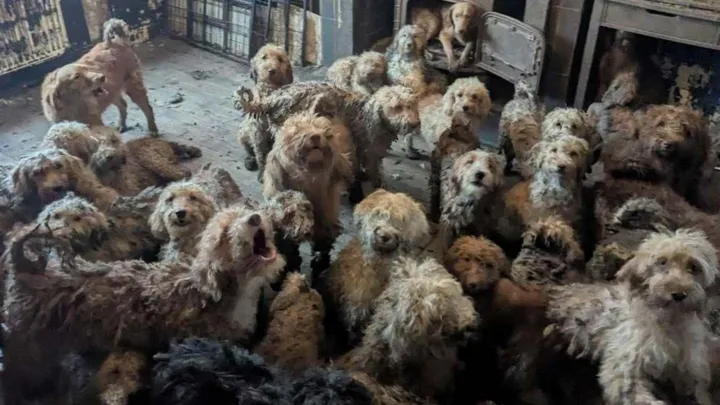
Rescuers have uncovered a staggering concentration of more than 250 poodle‑cross dogs residing within a single domestic property, according to a statement released by RSPCA. The animal welfare charity emphasized that the sheer volume of dogs, together with the deteriorating state of their living environment, had escalated dramatically due to extenuating family circumstances that had spiraled beyond manageable limits.
The statement from RSPCA detailed that the discovery took place at an undisclosed location within the United Kingdom, where the dogs were found sharing a confined living‑room area. The description provided by RSPCA highlighted how the conditions had become untenable, with the dogs forced to occupy a space far smaller than what would be considered humane for any single animal, let alone a collective group exceeding two hundred individuals.
Clarification on the Authenticity of the Photographic Evidence
Following the release of a vivid photograph captured by a rescue team member, social‑media users questioned the authenticity of the image, suggesting that it might have been generated through artificial intelligence. RSPCA addressed these concerns directly, asserting unequivocally that the image is a genuine visual record taken on‑site, reflecting the actual conditions observed by the rescue personnel.
RSPCA reiterated that the photograph, which portrays numerous dogs tightly packed into a living‑room setting, serves as a stark illustration of the "staggering reality" inherent in multi‑animal rescue cases. The organization stressed that the visual evidence was not fabricated or altered by digital means, thereby countering speculation and reinforcing the factual basis of the rescue narrative.
Context: Rising Incidence of Multi‑Animal Cases
RSPCA placed the current rescue within a broader context, noting that incidents involving large numbers of animals have surged considerably in recent years. According to data supplied by RSPCA, multi‑animal cases across England and Wales have risen by 70 percent since the year 2021, indicating a troubling upward trend that places additional strain on rescue resources and veterinary services.
In the most recent reporting period, RSPCA disclosed that it had responded to a total of 4,200 incidents wherein at least ten animals were located at a single address. This statistic underscores the expanding scale of the challenge faced by RSPCA frontline officers, who are increasingly confronted with cases that involve groups of ten, twenty, and even one hundred animals simultaneously.
Condition of the Dogs Upon Arrival
Radcliffe Animal Centre in Nottingham, an organization that accepted a portion of the rescued dogs, reported that many of the animals arrived with severely matted coats and skin conditions indicative of prolonged neglect. The centre observed that the dogs exhibited signs of sore skin, a condition commonly associated with inadequate grooming and restricted mobility.
In a social‑media communication released by Radcliffe Animal Centre, the statement highlighted that certain dogs were so frightened that rescue workers had to physically carry them from their temporary holding kennels onto the grass outside the facility. This detail emphasizes the profound level of fear and distress experienced by the dogs as a result of the overcrowded and unsanitary living environment from which they were rescued.
Official Commentary from RSPCA Leadership
RSPCA Superintendent Jo Hirst provided a direct commentary on the situation, describing the photograph as a "shocking image" that accurately represents the reality faced by many multi‑animal cases. Jo Hirst further explained that the prevalence of such cases is increasing, with frontline officers reporting a growing number of incidents that involve ten, twenty, and even one hundred animals at a single location.
Jo Hirst emphasized that the surge in multi‑animal rescues calls for heightened awareness and resource allocation, urging the public and policymakers to recognize the seriousness of the issue and to support ongoing efforts aimed at preventing similar circumstances from developing in the future.
Rehoming Efforts and Distribution to Regional Centres
Following the rescue operation, RSPCA facilitated the transfer of the rescued dogs to a variety of animal welfare centres situated across multiple counties, including Hertfordshire, Surrey, Norfolk, and Nottinghamshire. Each of these centres is tasked with providing appropriate veterinary care, rehabilitation, and eventual rehoming for the dogs.
The relocation process ensures that each dog receives individualized attention based on its specific health needs, behavioral assessment, and suitability for adoption. By dispersing the dogs among several regional facilities, RSPCA aims to maximize the chances of successful adoption outcomes and to alleviate the logistical pressures associated with housing such a large number of animals in a single location.
Spotlight on Two Dogs Awaiting Adoption: Stevie and Sandy
Among the rescued population, two dogs—Stevie and Sandy—have been highlighted as awaiting permanent homes through the services of Southridge Animal Centre. Stevie has been identified as both blind and deaf, conditions that significantly affect mobility and auditory perception.
Sandy, who has been paired with Stevie, serves as a guide companion, providing essential assistance that enables Stevie to navigate its surroundings safely. This partnership underscores the compassionate approach taken by Southridge Animal Centre, wherein dogs with special needs are matched with compatible partners to enhance their quality of life and increase their adoption appeal.
Both Stevie and Sandy remain listed as available for adoption, with Southridge Animal Centre actively seeking prospective owners who are prepared to accommodate Stevie’s sensory impairments and to embrace Sandy’s role as a supportive guide.
Implications for Future Animal Welfare Strategies
The revelation of more than 250 dogs living in cramped conditions within a single household signals a pressing need for comprehensive strategies aimed at early detection, intervention, and support for families at risk of animal neglect. RSPCA stresses that proactive engagement with communities, education on responsible pet ownership, and accessible resources for managing large animal households are critical components in preventing similar scenarios.
In addition, RSPCA emphasizes the importance of robust reporting mechanisms that enable neighbours, friends, and the broader public to alert authorities promptly when signs of animal welfare concerns emerge. By fostering collaboration between local communities, veterinary professionals, and animal welfare organisations such as RSPCA and Radcliffe Animal Centre, it becomes possible to intervene before conditions deteriorate to the extreme level observed in this case.
Conclusion: A Call for Continued Vigilance and Support
The extensive rescue of over 250 poodle‑cross dogs, the verification of authentic photographic evidence, and the ongoing rehoming efforts collectively illustrate the complex challenges faced by RSPCA in safeguarding animal welfare across the United Kingdom. The surge in multi‑animal cases, as highlighted by the 70 percent increase since 2021 and the record of 4,200 incidents involving ten or more animals, accentuates the necessity for sustained public awareness, strategic resource allocation, and compassionate intervention.
RSPCA, alongside partner organisations such as Radcliffe Animal Centre and Southridge Animal Centre, remains dedicated to providing care, rehabilitation, and permanent homes for each rescued animal. The organisation invites members of the public to support these endeavors through adoption, fostering, volunteering, or contributing financially, thereby ensuring that the harsh reality captured in the striking photograph does not become a recurrent narrative for other animals in need.