Australians Urged to Maintain Easter Travel Despite Nationwide Fuel Shortages
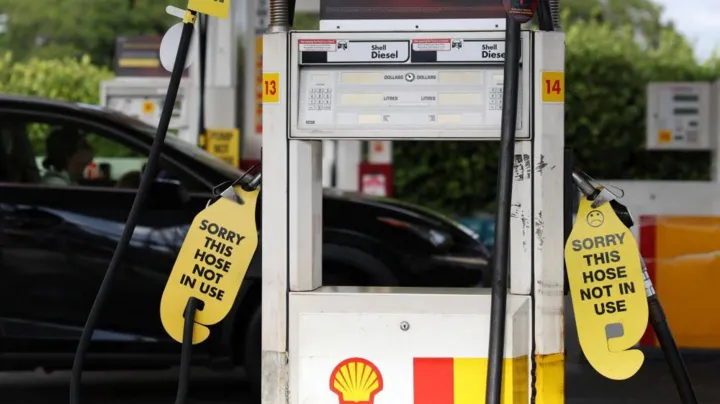
Government officials advise the public to proceed with Easter journeys even as hundreds of service stations across Australia face diesel and petrol shortages caused by disruptions in Middle‑East oil shipments.
– The Australian government is urging citizens to keep Easter travel plans on schedule, even as fuel scarcity grips hundreds of petrol stations throughout the country.
Government Message Emphasises Easter Traditions While Cautioning on Fuel Use
Energy minister Chris Bowen addressed the nation on Saturday, stating, “Easter is a very special time of faith and family. Go take a break – but get no more fuel than you need.” The directive stresses the importance of limiting fuel purchases to the amount required for travel, thereby preserving remaining stock for essential services.
Energy minister Chris Bowen’s remarks came after reports indicated that 312 of Australia’s approximately 8,000 service stations have depleted their diesel inventories. The majority of these stations are situated in rural regions where replenishment cycles are longer due to distance from major distribution hubs.
Fuel Prices Surge Amid Global Conflict
Fuel prices in Australia have climbed dramatically since the onset of the United States‑Israel war involving Iran and the consequential effective closure of the Strait of Hormuz, a chokepoint responsible for a sizeable share of the world’s oil and gas shipments.
Australia imports roughly 90 % of its petroleum products from the Middle East. The nation’s heavy reliance on Middle‑Eastern supplies has left Australian markets particularly vulnerable to the disruption triggered by the conflict and Tehran’s blockade of the Strait of Hormuz.
In televised remarks, Energy minister Chris Bowen disclosed that national reserves currently hold enough petrol for 39 days, diesel for 29 days, and jet fuel for 30 days of typical consumption. These figures illustrate the delicate balance between current demand and the limited buffer available to the country.
Prime Minister Anthony Albanese’s Economic Warning
Prime Minister Anthony Albanese delivered a rare televised address to the nation on Wednesday, warning that the economic shockwave generated by the Middle East conflict will reverberate throughout Australia for months to come.
Prime Minister Anthony Albanese stated, “Australia is not an active participant in this war. But all Australians are paying higher prices because of it.” The prime minister urged Australians to curtail non‑essential fuel consumption and to make greater use of public transport wherever feasible.
Strait of Hormuz: A Critical Maritime Corridor Under Strain
The Strait of Hormuz, through which approximately 20 % of the world’s oil and natural gas flows, has experienced an almost total suspension of international shipping since the conflict escalated on 28 February.
The near‑total shutdown of this vital waterway has prompted governments worldwide to adopt fuel‑conservation measures, a trend that is now evident in Australia’s own fuel‑rationing advisories.
Despite the dramatic reduction in traffic, a limited number of vessels have managed to traverse the strait in recent days, signalling a tentative re‑opening of the corridor under tightly controlled conditions.
Recent Vessel Crossings Highlight Limited but Ongoing Activity
On Friday, a Malta‑flagged container ship owned by French shipping company CMA CGM successfully navigated the Strait of Hormuz, according to reports from French media outlets. The exact mechanism that secured safe passage for the vessel remains unclear, and representatives of CMA CGM have not yet issued a public comment on the matter.
Shipping analysts identified the CMA CGM vessel as the first ship belonging to a major Western European firm to cross the strait since the conflict began, marking a noteworthy development in the otherwise stagnant flow of maritime traffic.
Iranian authorities have publicly declared that “non‑hostile vessels” may continue to use the waterway, yet the ongoing hostilities, which have already resulted in several ship attacks, have effectively halted normal commercial transport activity.
A Japanese vessel carrying natural gas also reported a successful crossing of the strait, an event confirmed by the ship’s operating company. The crossing underscores the selective nature of the limited traffic that continues to navigate the waterway.
Turkey’s transport minister Abdulkadir Uraloglu announced on Saturday that a second Turkish‑flagged vessel had traversed the strait, bringing the total number of Turkish ships that have completed the passage to two. According to transport minister Abdulkadir Uraloglu, fifteen Turkish‑flagged vessels had been waiting to move through the strait since the hostilities erupted, with the first crossing occurring on 13 March under Iranian permission.
Transport minister Abdulkadir Uraloglu told CNN’s Turk channel, “Two of these 15 made the crossing. This is explained by our initiatives and also by the fact that they were using Iranian ports or carrying goods coming from or bound for Iran.”
Statistical Overview of Global Oil Transit Through the Strait
About one‑fifth of the world’s oil and liquid natural gas historically passes through the Strait of Hormuz en route from Gulf‑state producers to international markets. The current conflict has driven traffic down by roughly 95 % compared with pre‑conflict levels.
Although the volume of ships has dramatically contracted, shipping through the narrow waterway has not ceased entirely. Data analysed by independent monitoring group Crickxo Verify in late March indicated that approximately 100 vessels have managed to transit the strait since the escalation of hostilities.
Implications for Australian Consumers and Travel Plans
The combination of dwindling diesel supplies at rural service stations, heightened fuel prices, and reduced national reserves has created a challenging environment for Australians planning Easter trips. Energy minister Chris Bowen’s advice to limit fuel purchases to the exact quantity required aims to mitigate the risk of further shortages.
Prime Minister Anthony Albanese’s call for increased public‑transport usage complements the fuel‑conservation message issued by Energy minister Chris Bowen. By shifting a portion of travel demand onto buses, trains, and other mass‑transit options, Australians can collectively ease pressure on the limited fuel supplies that remain in the national distribution network.
Industry experts caution that the situation could evolve rapidly if the conflict in the Middle East intensifies or if additional maritime incidents occur within the Strait of Hormuz. Such developments would likely exacerbate supply‑chain disruptions, leading to even steeper price hikes and potentially longer periods of fuel scarcity.
Long‑Term Outlook and Government Preparedness
Australian authorities continue to monitor global oil‑shipment patterns closely, assessing the impact of the Strait of Hormuz blockage on domestic fuel inventories. Energy minister Chris Bowen has indicated that the government is exploring alternative supply routes and additional strategic reserves to bolster national resilience.
While Australia’s current reserves provide a buffer of several weeks for each fuel type, the government acknowledges that prolonged disruption could erode these safety margins. Consequently, Energy minister Chris Bowen has stressed the importance of public cooperation with fuel‑conservation guidelines throughout the Easter holiday period and beyond.
Prime Minister Anthony Albanese has reaffirmed the nation’s commitment to maintaining essential services, emphasizing that critical sectors such as emergency response, health care, and logistics will receive priority access to available fuel supplies.